Cortellics
Domain
Health Tech
Impact
Recovery
Focus
Mental Health
Scale
Clinic
Context and Problem
Mental health conditions like PTSD are very common, but access to treatment is still limited. In fact, around 93% of people with PTSD do not receive effective treatment or no treatment at all. There are a few major reasons for this: - Long waiting times to start therapy - High cost of treatment - Limited availability of trained therapists - Lack of continuous support after treatment For example, a patient might wait several months just to begin therapy, and even after starting, treatment can take up to a year. This makes recovery slow, expensive, and often incomplete.
Approach & Solution
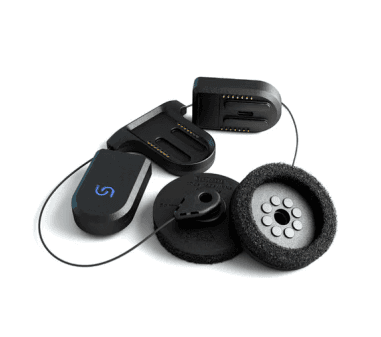
Cortelics is designed to make trauma therapy faster, more accessible, and more effective. The idea is simply to bring therapy closer to the patient instead of making the patient depend fully on clinics It combines three elements: 1. Virtual Reality 2. Non-Invasive Brain Stimulation 3. A Medical Tracking App Together, these create a system where patients can receive therapy both: - With a therapist - And at home
How it works?
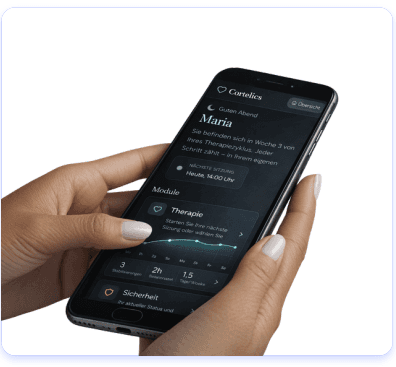
The system works by combining different therapies into one connected experience. Step 1: Virtual Reality Therapy The patient is placed in controlled virtual environments that help them gradually face and process trauma. For example: a patient can safely experience situations that trigger stress, but in a guided and controlled way. Step 2: Brain Stimulation Support At the same time, a device provides gentle brain stimulation to support emotional regulation and improve therapy outcomes. Step 3: App Based Monitoring A mobile app tracks the patient’s progress and helps adjust the therapy over time. Step 4: Hybrid Treatment Model The system allows in person sessions with therapists and at home therapy sessions This means patients do not have to rely only on clinic visits.
Impact and Outcome
The system improves therapy in multiple ways. From the data shown: - Waiting time can reduce from months to just a few days - Treatment duration can be shorter - Cost per patient can be significantly reduced - Relapse rates are lower due to continuous support For example: instead of waiting 5 months to start therapy, a patient can begin support within a week. This leads to: - Faster recovery - Lower cost for patients and healthcare systems - Better long term mental health outcomes.